

The unfortunate truth
The Trash crisis in Tennessee
Tennessee is facing a critical moment in solid waste management. Our state’s challenges—from residents generating above the national average in waste to the nation's 48th lowest recycling rate—are putting immense pressure on our remaining landfill capacity. Each year, valuable, recyclable materials are needlessly buried, forcing us to constantly seek new disposal space.
Key Challenges
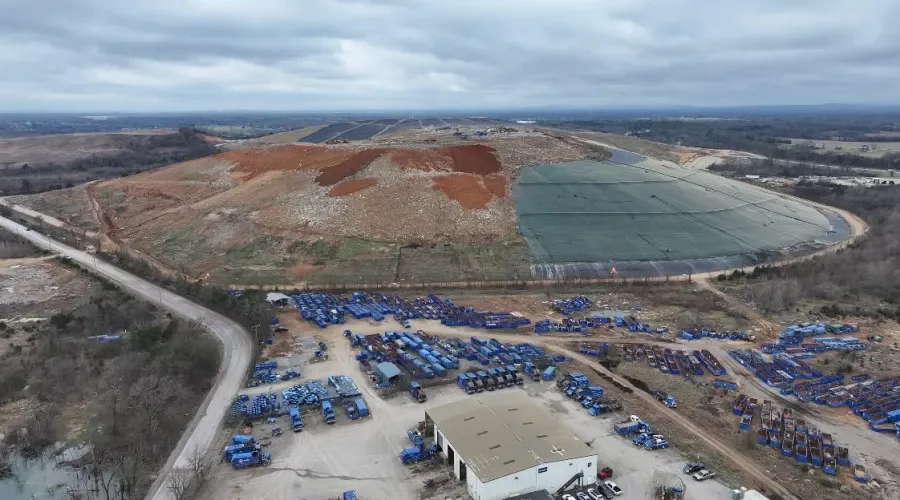
Tennessee faces significant waste management challenges, generating nearly 32% more waste per resident than the national average, coupled with a poor recycling rate that ranks 48th nationally and results in approximately a million tons of recyclables being landfilled annually. This high volume is straining landfill capacity, with many sites, especially in Middle Tennessee, projected to fill up within the next 5-10 years.
Middle Point Landfill Nears Capacity
The massive Middle Point Landfill in Murfreesboro epitomizes the looming solid waste crisis in Middle Tennessee, as the regional dumping site nears capacity and faces intense local opposition due to environmental contamination and quality-of-life issues. With Murfreesboro officials actively blocking expansion and seeking alternatives, the focus shifts away from traditional landfilling toward sustainable solutions.
What is the Jackson Law and why does it matter?
The Jackson Law (T.C.A. § 68-211-701 et seq.) is an optional Tennessee law that restores critical local control over the siting and construction of new landfills. By adopting this law, communities (counties and municipalities) require a two-thirds majority vote from their local legislative body before any new landfill can be permitted. This is critically important for communities because it shifts the power from state regulators to local elected officials, enabling them to safeguard their property values, health, and environment by thoroughly evaluating the project's impact on noise, odor, and community compatibility. Essentially, it gives citizens a veto power over unwanted waste facilities, making local decision-makers accountable and directly addressing local concerns about the impacts of the state's trash crisis.